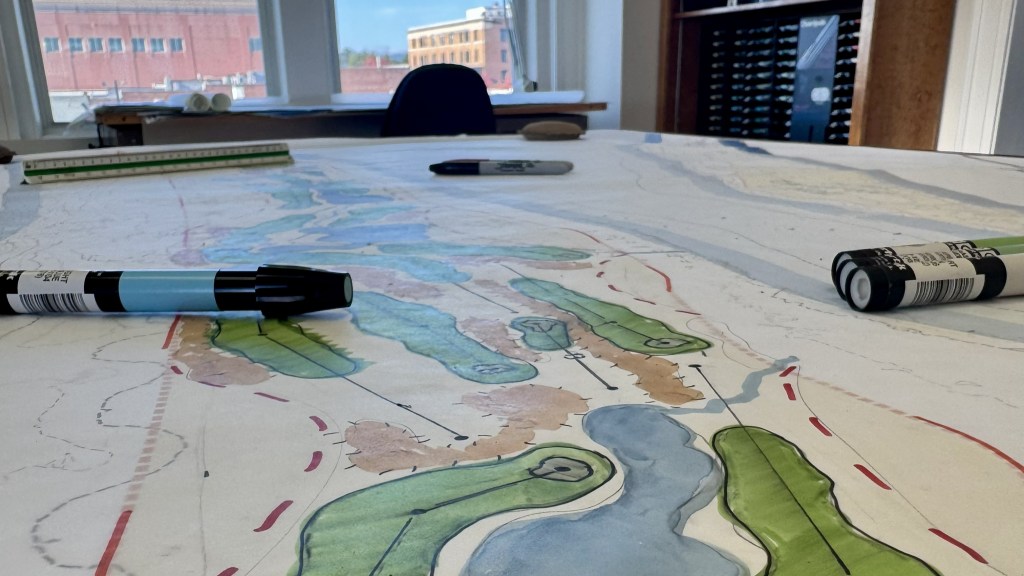
When you enter the professional world, one question inevitably follows you: “So, what do you do?” It surfaces everywhere—from catching up with old friends to conversations with distant relatives to small talk with a stranger at a bar. Since beginning my full-time role at Fazio Design, I’m not sure I’ve answered that question the same way twice. Part of that comes from the complexity of the work itself, but the other part comes from the fact that I am still learning how to define my role within the profession. A profession that blends everything from art, technical skills, engineering, environmental stewardship, etc. For any young professional, understanding what you do is important. Not just so you can explain it to others, but because answering that question forces you to reflect on your career, your purpose within it, and where you hope it leads you.
That is exactly what I hope to do within this blog—for myself and for you. What is it that I actually do? What does it take to design and build a golf course? What does my day-to-day work look like inside one of the most unique professions in golf? These are questions that deserve more than a quick answer or a simplified elevator pitch. Golf course design is layered, collaborative, and constantly evolving. It requires equal parts creativity and practicality, vision and patience (mostly with people), plus imagination and precision. To properly answer these questions, it helps to step inside the process itself—from the earliest ideas drawn across a piece of paper to the final product that golfers experience across the landscape itself.
When I answer, “So what do you do for Tom Fazio?” in one sentence, I usually say something like, “I help design and build golf courses.”
That answer is true—but it’s also wildly incomplete.
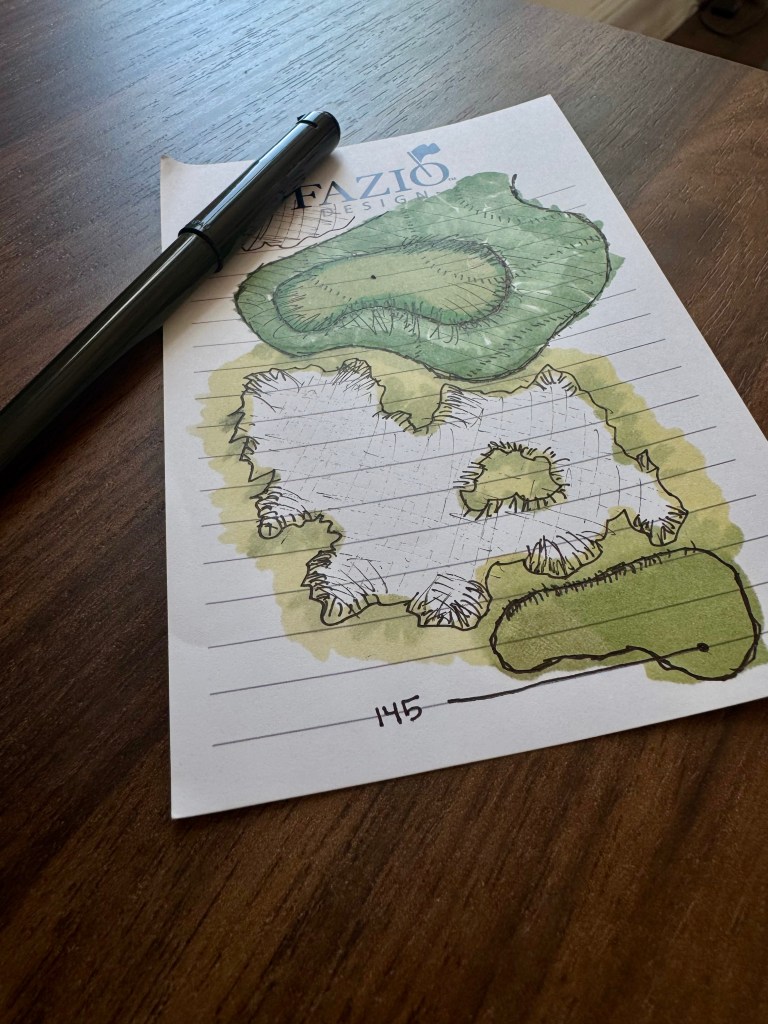
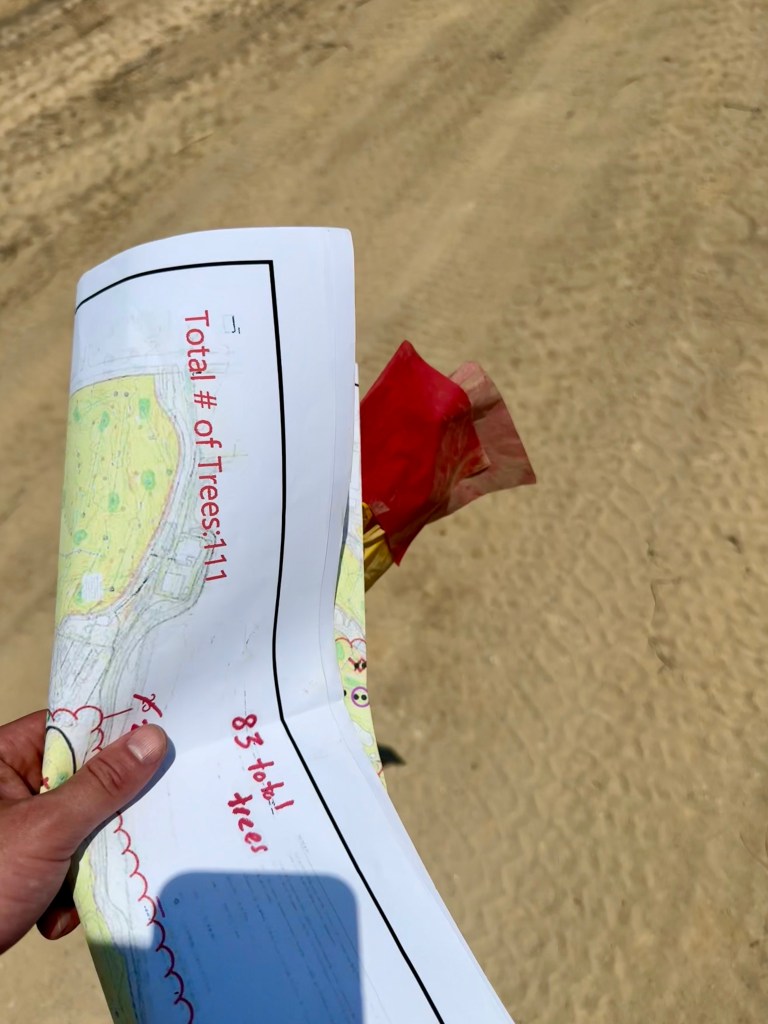
At Fazio Design, our work spans everything from new course development to renovations and restorations of existing courses. Every project starts with the land but quickly becomes a collaboration between engineers, shapers, superintendents, owners, construction teams, municipalities, and us. My role and tasks sit within the collaboration between these teams. Translating ideas about how a golf course should play and feel into drawings, renderings, and information that is used while being built in the field and shown to clients/owners.
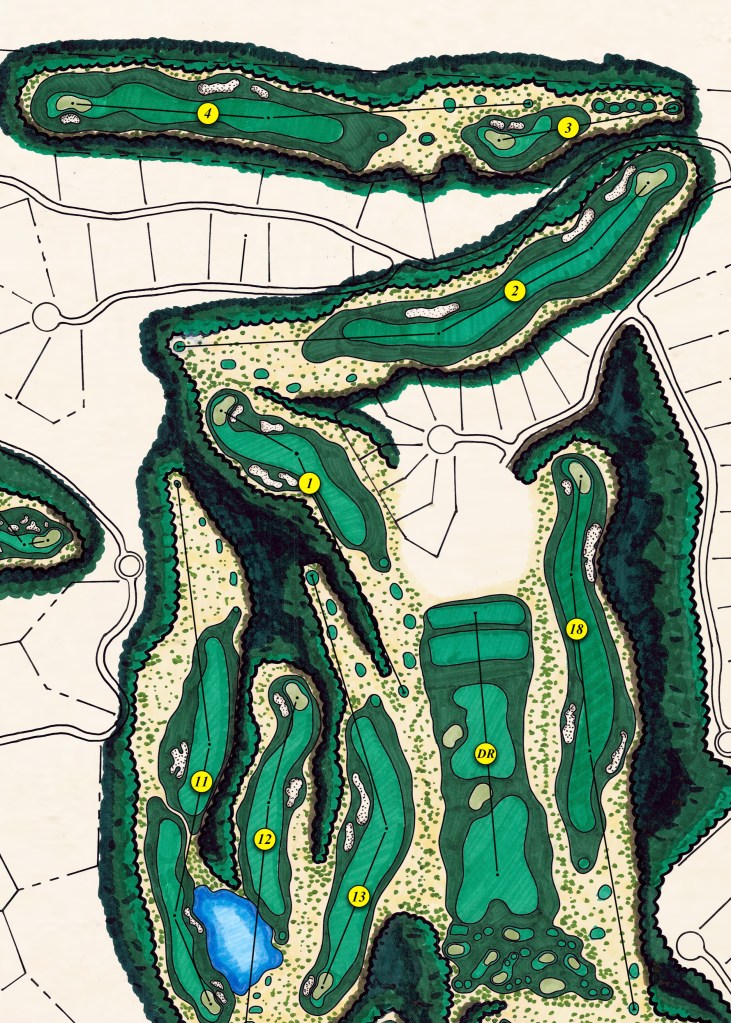
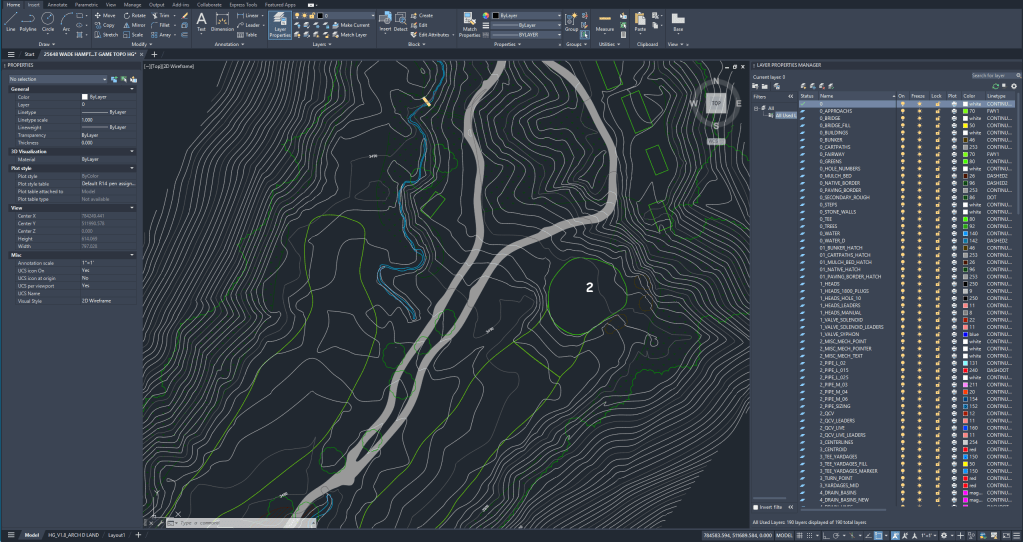
In practice, that means I spend much of my time moving between conceptual design and technical production—developing routing studies, refining hole layouts, producing CAD plans, developing colored renders, and preparing materials that support both internal design discussions and on-site construction. It also means learning how to think beyond what looks good on paper and focusing on what will function, drain, grow, and ultimately serve golfers of varying abilities.
The part most people don’t realize is that golf course design is rarely about creating something from scratch on a blank canvas. It’s about listening to the land first—its slopes, soils, water, vegetation, and history—and then shaping golf around what is already there. Good design is less about imposing ideas and more about uncovering opportunities the site quietly presents.
So while “I design golf courses” may be the easiest answer, the reality is that my job is much closer to helping connect vision to ground—turning strategy, landform, and experience into something that can actually be built and, eventually, golfed.
Most people would assume that designing a golf course begins with a sketch, an idea for a design, or inspiration from someone/something else. But in reality, it usually starts with a phone call. A random call with someone saying, “Hey, I have a piece of land, and I want Tom to design a golf course on it.” Soon after, I get involved.
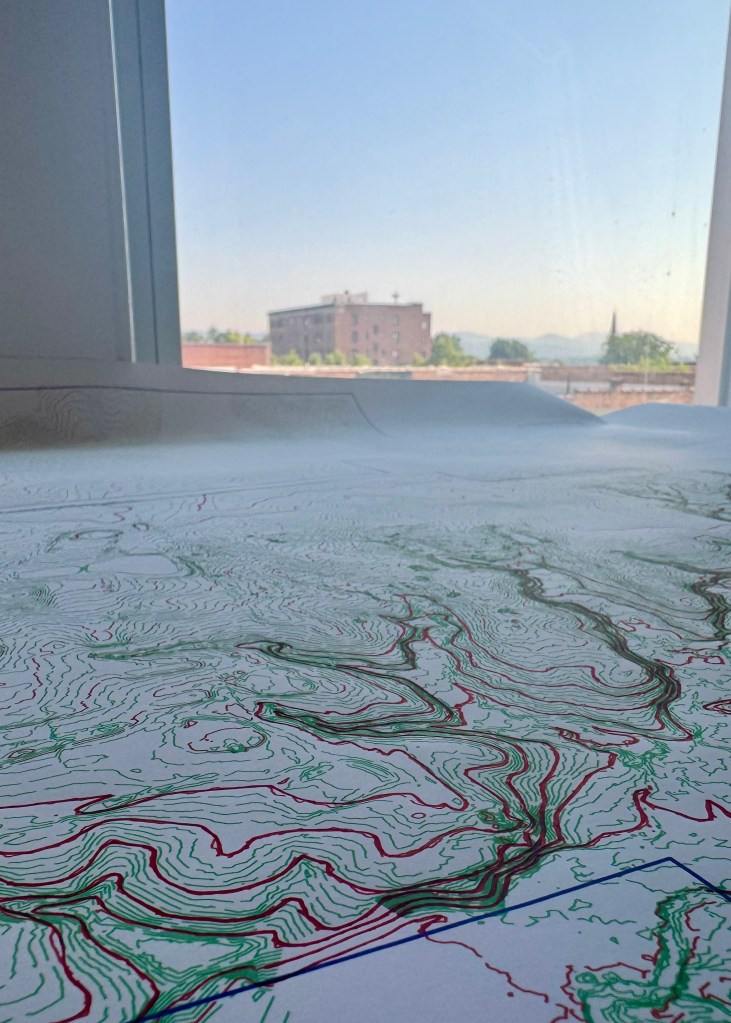
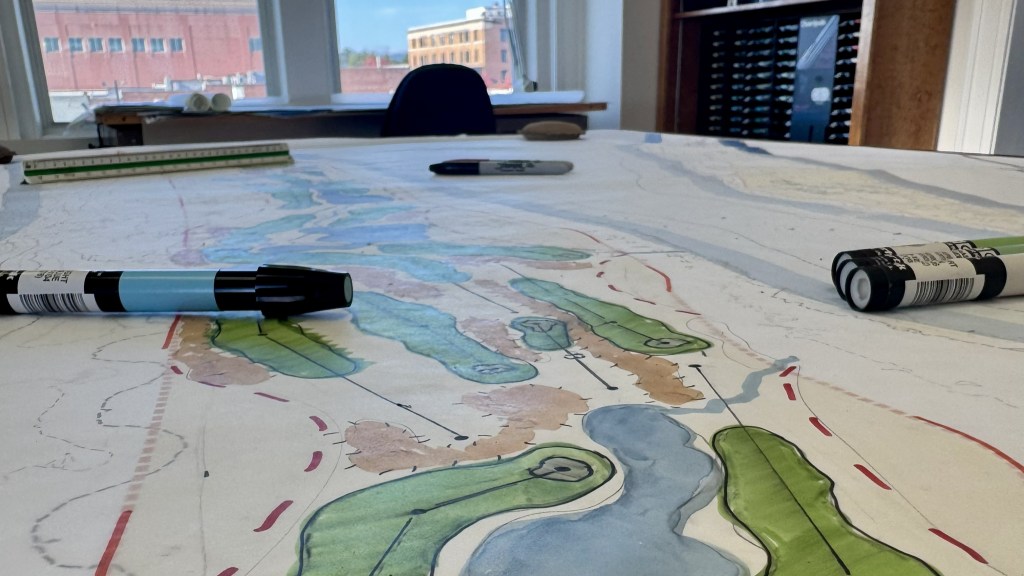
When a new project begins, the first questions are far less romantic than most people expect—but they shape everything that follows. We start by understanding the scale of the property: how much land is available, whether it can realistically support 18 holes, and if there is room for a driving range and practice facilities. From there, we study the topography—how the land moves—identify high and low points, and see how those forms can guide natural corridors for golf. As routing ideas begin to take shape, we focus on identifying the strongest green sites, testing whether holes flow naturally through the landscape, and asking how much earthmoving would be required to make those ideas work. Yardage and hole length variety are evaluated alongside—making sure par values, hole directions, and wind exposure are balanced across the round. Long before bunkers or visuals are discussed, the goal is simple: create a routing that fits the land, minimizes unnecessary disruption, and sets up a course that feels cohesive, compelling, and strategically diverse.
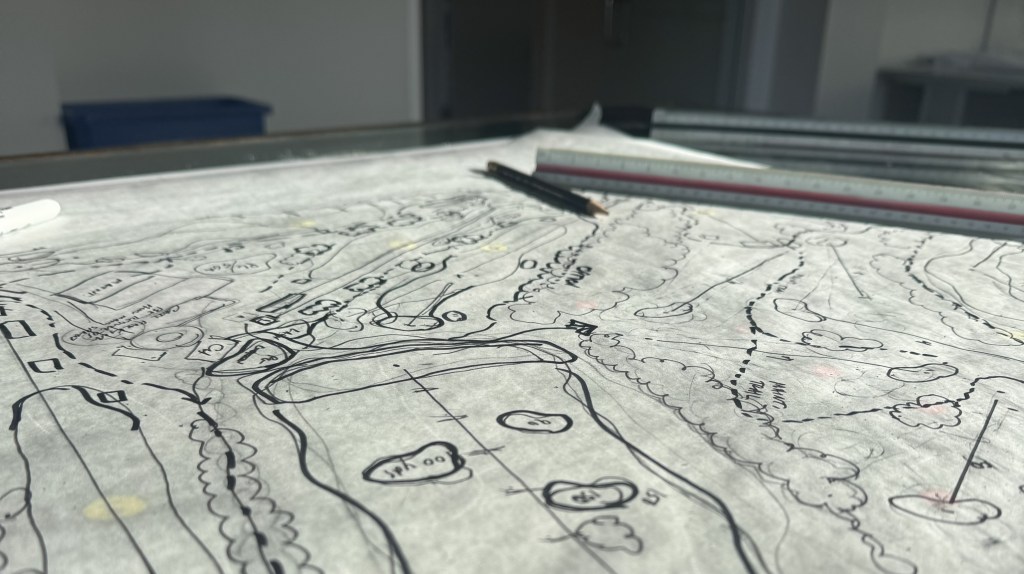
Once a routing begins to hold together on paper, the work shifts from possibility to precision. This is the phase where the golf course is no longer just an idea moving across a map but a buildable project that has to function in the real world.
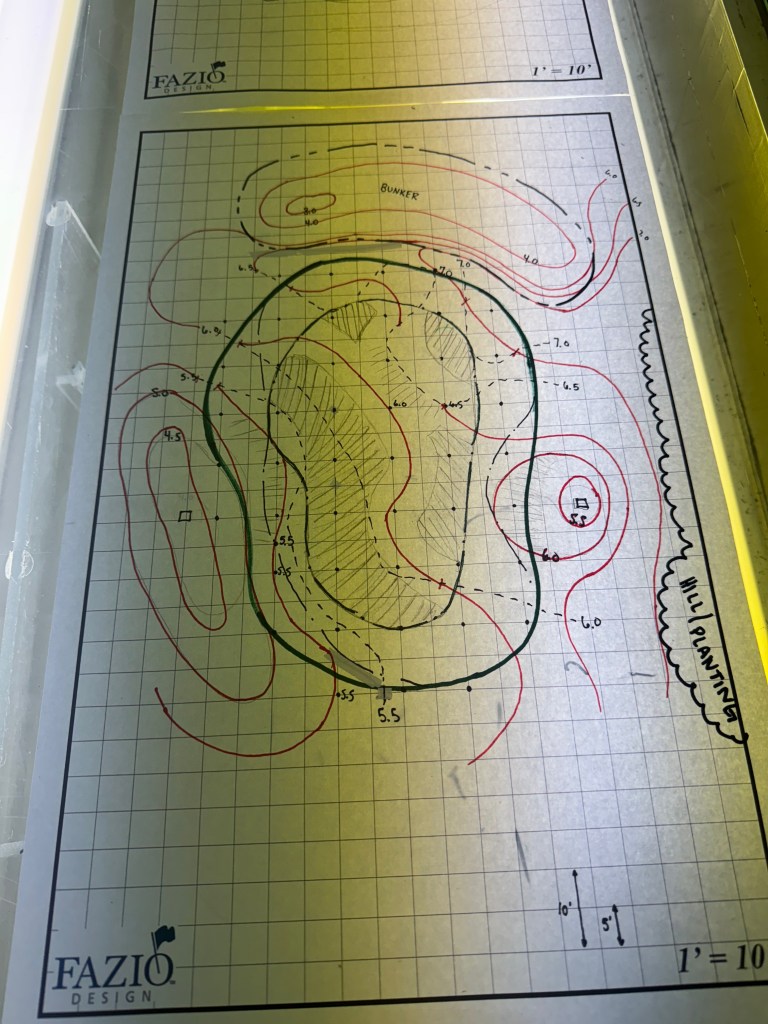
Grading becomes one of the most important parts of the process. We refine how each hole actually sits on the ground—shaping fairways, green surrounds, and tie-ins so that surfaces drain properly, slopes are playable, and the land still feels natural rather than manufactured. At the same time, the routing is finalized. Hole corridors are locked in, transitions are tested for walkability and flow, and adjustments are made to strengthen strategy and balance across the entire course.
From there, the design begins to take a more visual and communicative form. Color render plans are produced to clearly illustrate intent—highlighting features, visualizing the route, and defining landscape character so owners, consultants, and construction teams can understand what the finished course is meant to become. In parallel, budgets are refined, and a detailed scope of work is assembled. This outlines exactly how the course will be built—earthwork quantities, construction details, drainage, irrigation, grassing, and the sequencing required to bring the design to life.
This stage ultimately bridges design and construction. By the time a project moves into the field, the course has already been carefully tested through drawings, models, costs, and coordination. What follows is no longer in the conceptual world—it’s the physical transformation of land into a playable golf course, the next phase of my development.
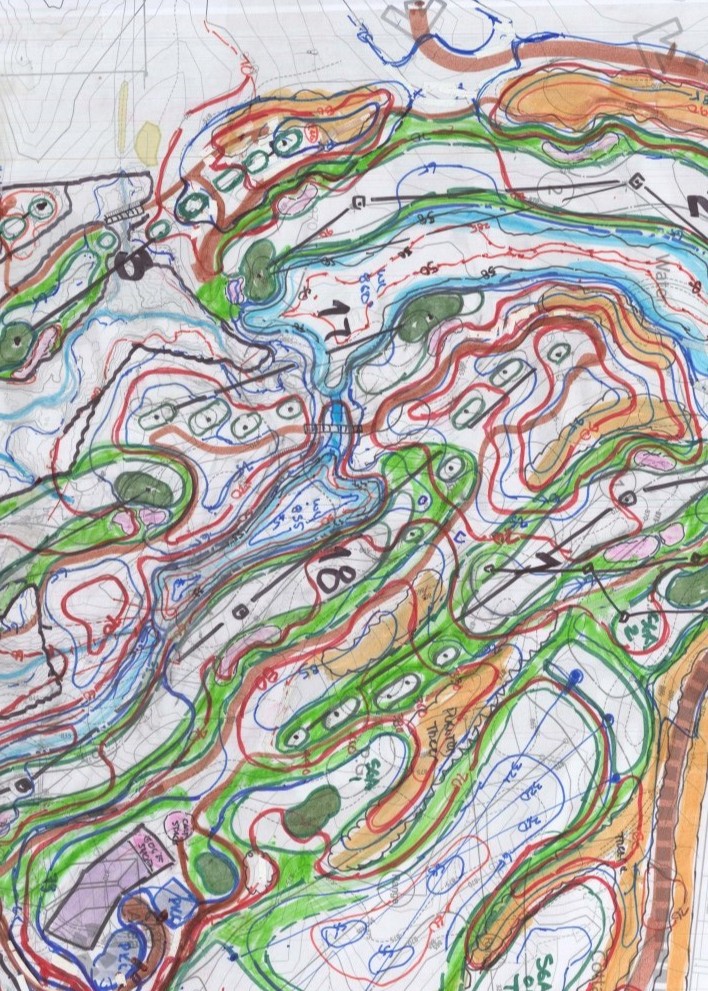
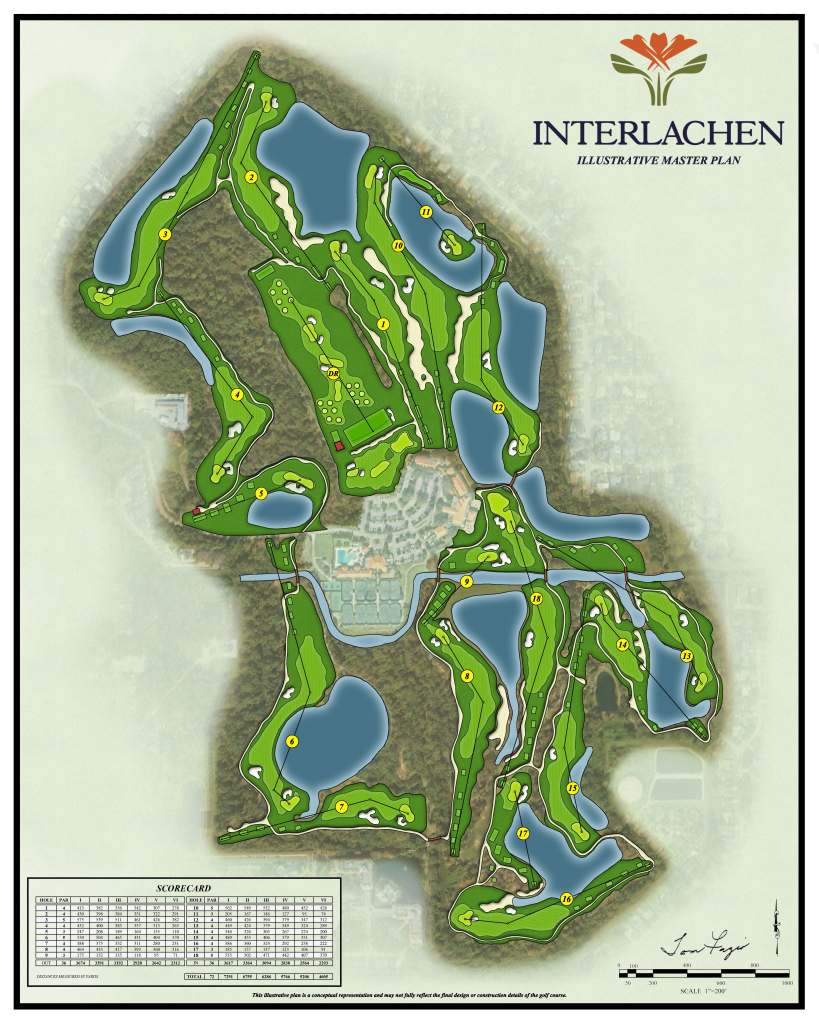
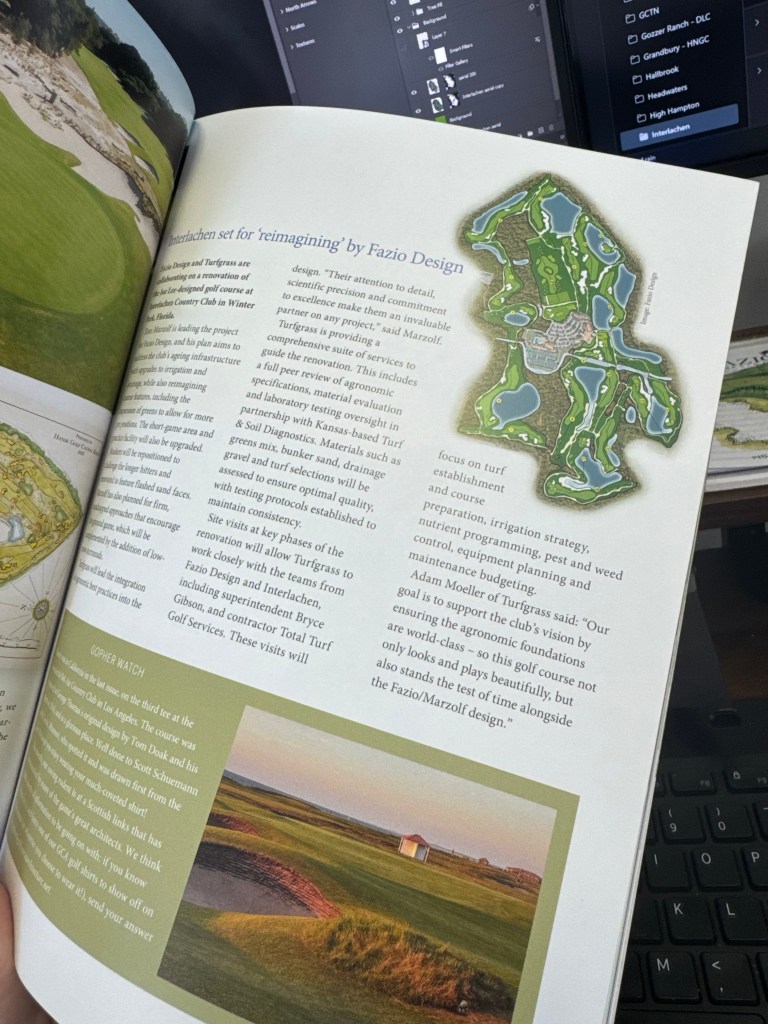
Here are some more photos of my day-to-day designing and creating golf courses!
 Josh Price
Leave a comment